
Every shop knows deburring is a necessary part of producing quality components. The problem isn’t that you’re deburring — it’s how you’re doing it.
Manual deburring gets accepted as “part of the process,” and because it rarely shows up as a line item, it quietly becomes one of the largest hidden costs on the shop floor. With skilled labor harder to find every year, the hours your best people spend holding a file matter more than they ever have.
We walk shop floors every week, and the same five warning signs come up again and again. If any of these sound familiar, your deburring process is probably costing more than you think.
1. Your skilled operators spend time deburring instead of machining
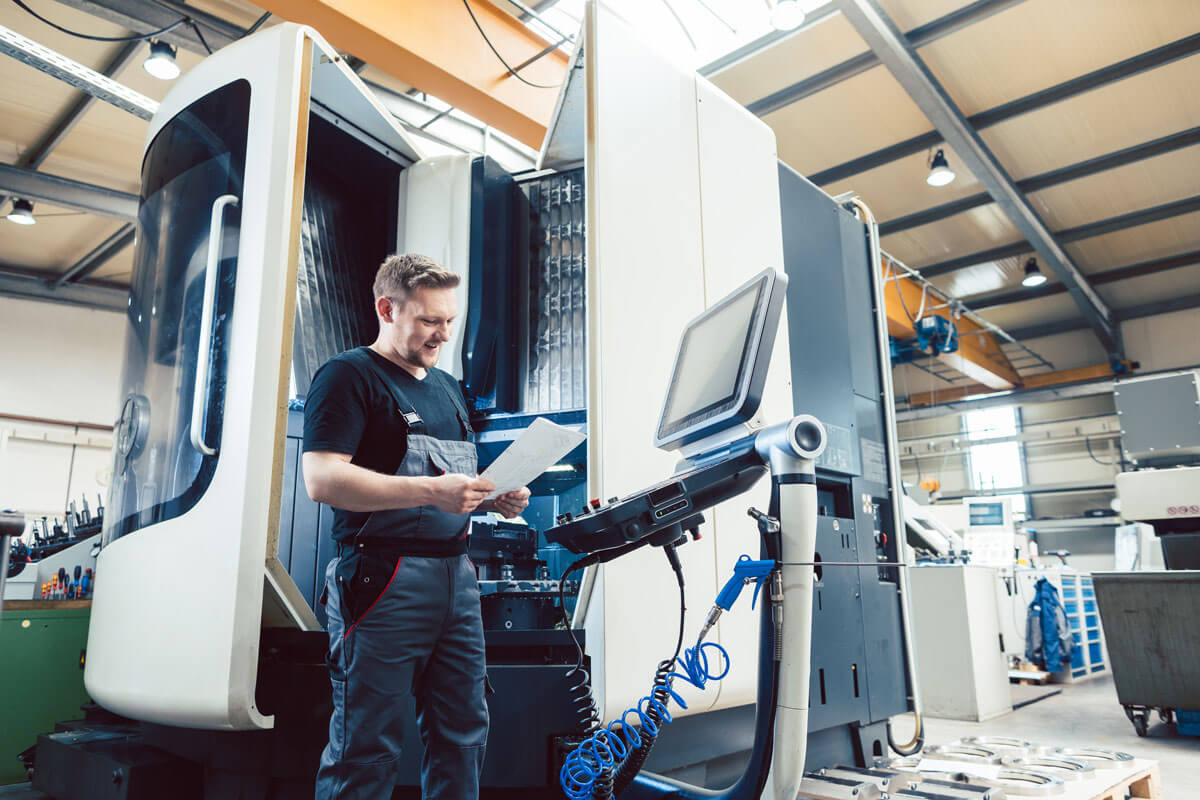
Highly skilled machinists should be producing parts — not spending hours with handheld files, abrasive wheels, Scotch-Brite™ pads, and bench grinders. Every minute spent manually removing burrs is a minute your most valuable people aren’t programming machines, improving processes, or making the next part.
Ask yourself:
- Are operators waiting to deburr parts before the next operation?
- Are expensive CNC machines sitting idle while parts are hand-finished?
- Are highly trained employees doing work that could be automated?
If the answer is yes, you’re paying premium wages for work that may no longer need to be manual.
2. Your results depend on who does the work
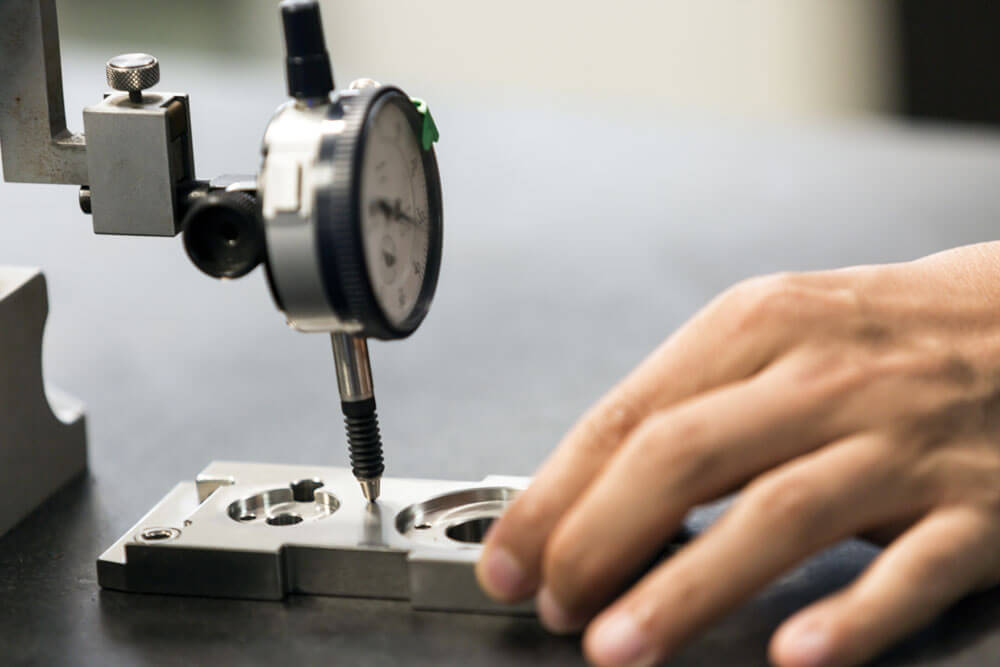
Consistency is the toughest part of manual deburring. Even experienced operators produce slightly different edge conditions depending on pressure, technique, and fatigue — which means edge quality that varies from part to part and shift to shift, more inspection and rework, and eventually a customer asking why. Automated deburring inside the CNC machine delivers a repeatable result that doesn’t depend on whose hands did the work that day.
Learn more about the real costs of manual deburring: inconsistencies, rework, and scrap.
3. Too many parts leave the machine for secondary operations
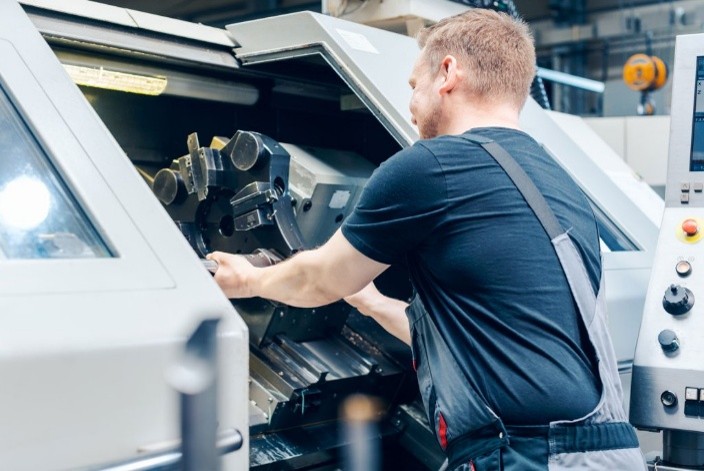
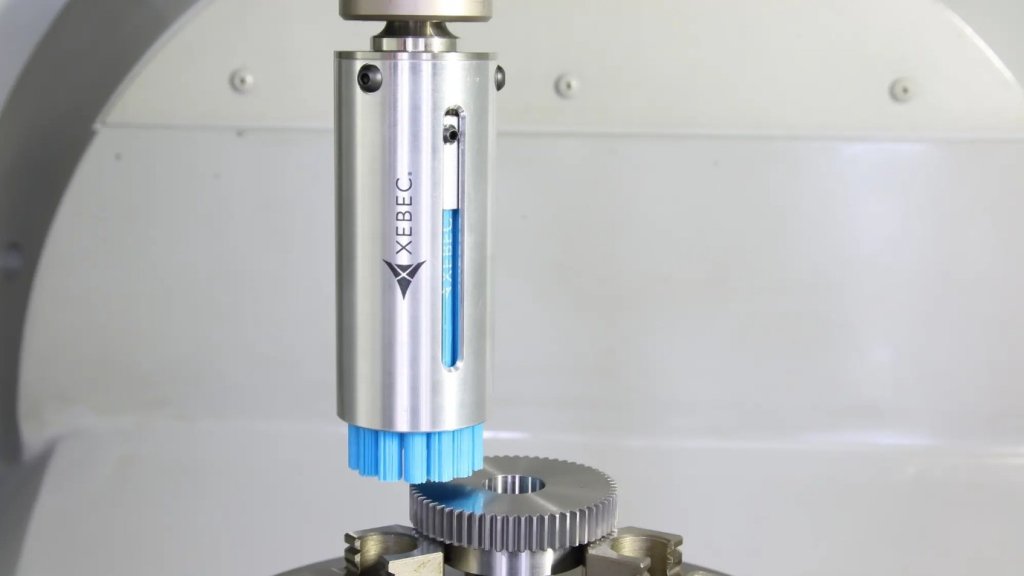
Every time a part leaves the machining center for manual finishing, cost gets added: extra handling, transport between workstations, additional setups, inspection delays, and a bottleneck that slows delivery. Each step only takes a few minutes — but multiply those minutes across hundreds or thousands of parts and it becomes real money. Modern ceramic fiber brushes let you finish deburring during the machining cycle and eliminate many of those secondary operations altogether.
4. Your tooling costs keep creeping up
Wire brushes, abrasive nylon brushes, flap wheels, and stones wear quickly and produce inconsistent results, so shops replace them constantly — and many hand-deburring tools end up modified or homemade, which adds cost, risk, and even more variation. When you evaluate tooling, don’t stop at the purchase price. Look at tool life, parts per tool, operator labor, machine downtime, and scrap. The least expensive tool is rarely the lowest-cost solution. Longer-lasting, self-sharpening ceramic fiber technology often wins decisively on cost per part.
See why XEBEC ceramic cutting tools outperform nylon brushes in high-precision machining.
5. You can’t say what deburring actually costs
This is the biggest warning sign of all. Most companies track machining time down to the second but never calculate what they spend on hand deburring: the labor hours, the training, the inspection time, the rework, the scrap from inconsistent edges, the machine idle time. Add it all up and deburring is often one of the largest unmeasured expenses in the building. Until you measure it, you can’t improve it.
The bottom line
Deburring shouldn’t be treated as an unavoidable expense — it’s an opportunity. Manufacturers across aerospace, space, medical, firearms, energy, and precision machining are moving deburring into the CNC machine and robotic cells using advanced ceramic fiber technology, and getting more consistent parts at a lower cost per part with less manual labor.
If any of these five signs describe your operation, it may be time to take a hard look at the process. Sometimes a simple change in tooling eliminates hours of manual work a week while improving part quality and spindle utilization.
At IPT America, we help manufacturers find these hidden inefficiencies and fix them with XEBEC’s ceramic fiber deburring and surface finishing tools. Our goal is simple: help you make better parts at a lower cost per part.
Ready to find out what your deburring process is really costing? Contact IPT America for a complimentary application review, or schedule a Lunch & Learn for your team.