
Understanding the Science Behind Ceramic Fiber Deburring Technology
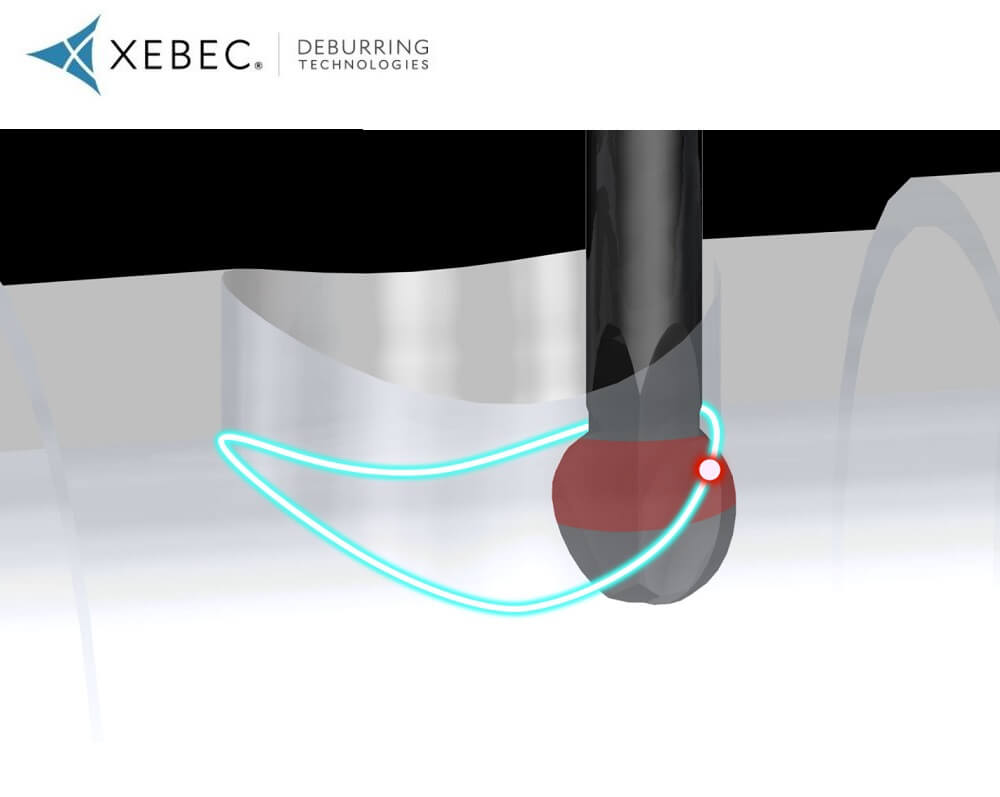
XEBEC Ceramic Fiber technology delivers tip-to-tip consistent performance. As the ceramic fibers wear, they continually expose fresh cutting edges, producing consistent deburring and fine surface finishes without brush deformation.
When manufacturers first see a XEBEC tool, one of the first questions they ask is:
“What exactly is this tool made of?”
It’s an excellent question—and understanding the answer explains why XEBEC tools perform so differently from wire brushes, abrasive nylon brushes, flap wheels, abrasive pads and other conventional deburring solutions.
Unlike conventional abrasive brushes that gradually lose cutting ability as they wear, XEBEC Ceramic Fiber technology is engineered to maintain consistent cutting performance throughout the entire life of the tool. The result is predictable deburring, repeatable surface finishing, and longer-lasting performance in CNC machining applications.
The Difference Starts with the Material
Unlike traditional deburring tools that rely on coated abrasives or nylon-impregnated abrasive fibers, XEBEC tools are manufactured from a proprietary ceramic fiber material.
These ceramic fibers extend throughout the entire working portion of the tool—not just on the surface. As the tool wears during machining, fresh cutting edges are continually exposed, allowing the brush to maintain consistent cutting performance from the first part to the last.
This self-renewing cutting action is one of the defining characteristics that separates XEBEC from conventional deburring technologies.
How Ceramic Fiber Technology Works
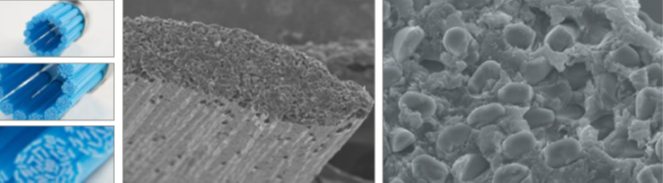
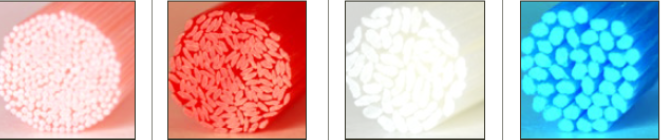
Cross-sectional view of a XEBEC Ceramic Fiber Brush. Each individual fiber contains hundreds of microscopic ceramic filaments that create the cutting edges responsible for XEBEC’s consistent performance.
Each individual ceramic fiber is composed of hundreds of microscopic ceramic filaments. Together, these filaments create thousands of cutting edges throughout the brush.
Unlike conventional abrasive nylon brushes that gradually lose their cutting ability as the abrasive wears away, XEBEC ceramic fibers continually expose fresh cutting edges during use.
XEBEC Brushes are engineered to cut using only the tips of the ceramic fibers (End Cutting Only) rather than the sides of flexible filaments. As the brush wears, the ceramic fibers wear at a microscopic level, exposing new, sharp cutting edges.
In effect, the tool continually sharpens itself during operation.
XEBEC Brushes resist deformation and maintain consistent geometry and cutting performance from the first part to the last.
What Makes Ceramic Fiber Different?
At first glance, a XEBEC Brush may look like abrasive brushes. Internally, however, XEBEC is fundamentally different.
The microscopic image above illustrates why.
Traditional abrasive nylon brushes gradually lose abrasive particles, soften under cutting pressure, and deform over time. This can provide inconsistent results from part to part and Brush to Brush.
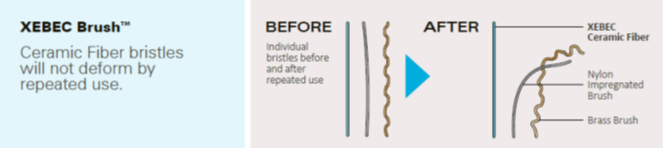
XEBEC Ceramic Fiber technology remains sharp and does not have inconsistent abrasive capabilities. This results in exceptional consistency, repeatability, and dimensional control.
The Result
Manufacturers using XEBEC Ceramic Fiber technology benefit from:
- Consistent deburring performance
- Superior surface finishing
- Longer tool life
- Up to 60× greater grinding capability than conventional nylon-impregnated abrasive brushes*
- Up to 6× greater polishing capability than comparable nylon abrasive brushes*
- Reduced operator intervention
- Predictable, repeatable machining results
- Stable edge quality
- Excellent process repeatability
One of the greatest advantages of XEBEC’s ceramic fiber technology is that the brush maintains nearly the same cutting characteristics throughout its usable life. This reduces process variation, minimizes operator adjustments, and improves manufacturing consistency.